




From River Port to Skyline
I. Trip Overview
This approximately 90-minute guided walk begins at Chongqing’s historic river port and follows the city’s development through six connected themes: water, war, trade, the old city, migration, and mountain terrain.
Starting near the confluence of the Yangtze and Jialing rivers, the route continues through former financial streets, a surviving city gate, historic guild-hall architecture, old neighbourhood lanes, and the remains of an early hillside cableway.
Rather than treating each stop as a separate attraction, the experience tells one connected story of how Chongqing developed from a river port into one of China’s most distinctive modern cities.
II. Core Experience Highlights
A Complete Story of Chongqing in 90 Minutes
Follow a clear historical sequence from the rivers that gave birth to the city to its wartime transformation, commercial growth, migration history, and three-dimensional urban development.
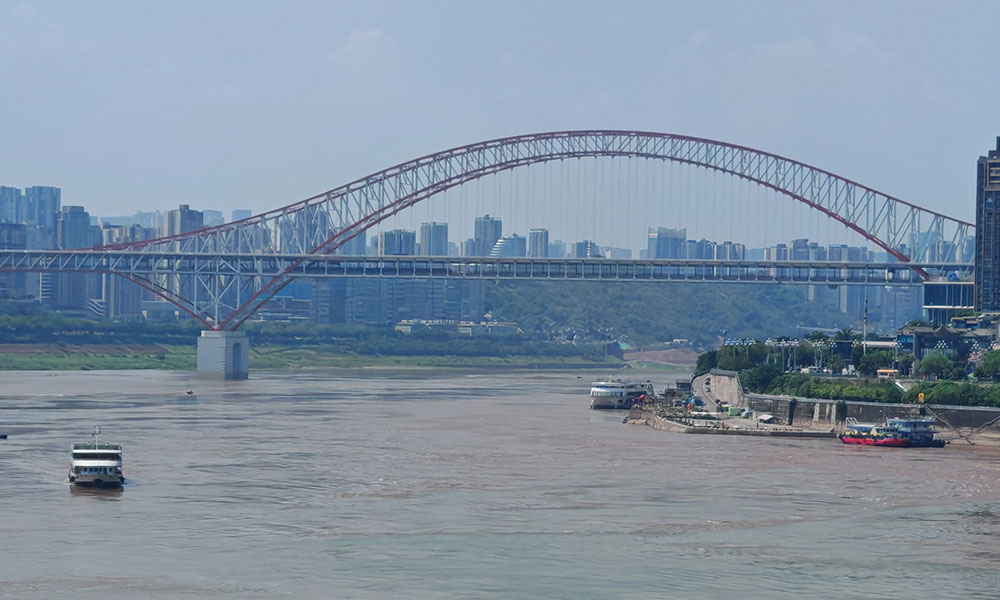
History within the Living City
See old stone steps, former bank buildings, surviving city walls, traditional guild-hall rooftops, and traces of Chongqing’s early hillside transport system.

Architecture Shaped by Trade and Migration
Discover Chinese decorative details within Western-influenced bank buildings and the regional architectural traditions preserved around Huguang Guild Hall.
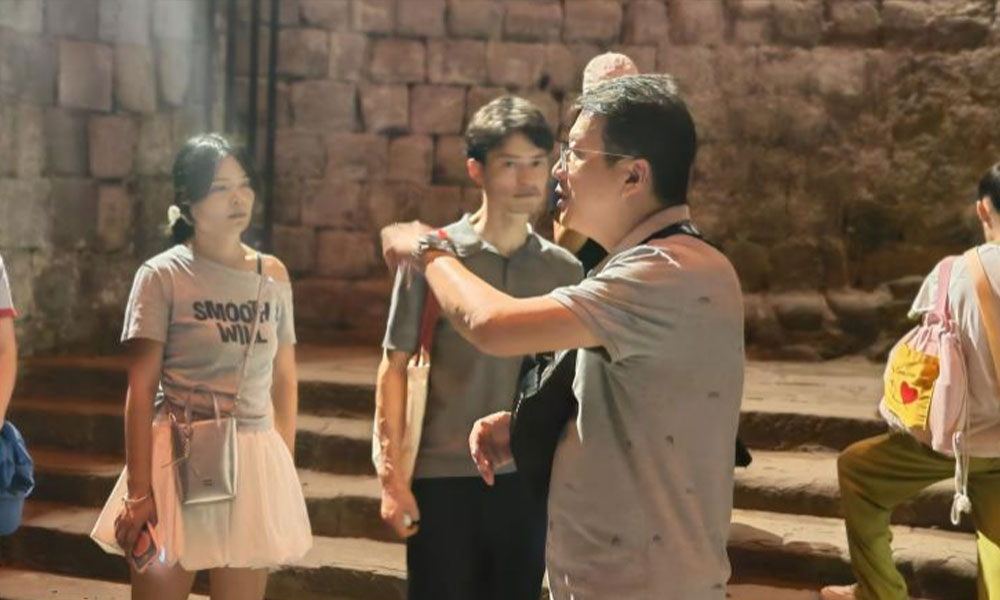
III. Detailed Walking Route
Meeting Point|Ascott Raffles City Chongqing Lobby
Meet your guide in the hotel lobby before walking towards Chaotianmen. The guide will introduce the route, walking conditions, and six themes explored during the experience.
Stop 1|Chaotianmen and the Confluence of Two Rivers
Begin near the meeting point of the Yangtze and Jialing rivers, where Chongqing developed into an important inland port.
Learn how goods and people moved through the river system and how Chongqing’s geography shaped its early commercial development. The modern Raffles City complex provides a clear contrast with the historic river port below.
Stop 2|Xiaoshizi and Wartime Chongqing
Continue through Xiaoshizi, an area connected with Chongqing’s wartime financial, administrative, and diplomatic activities.
Your guide will introduce Chongqing’s role as China’s wartime capital, the arrival of government institutions and businesses, and the influence of the wartime period on the city’s modern development.
Stop 3|Datong Street and the Former Banking District
Walk into Datong Street, historically associated with workshops and later developed into an important financial district.
Observe former bank façades and architectural details that combine Chinese decorative elements with Western-influenced design. Learn how banking and commercial institutions helped connect Chongqing with national and international trade.
Stop 4|Dongshuimen Ancient City Gate
Continue to Dongshuimen, one of Chongqing’s surviving historic city gates.
Unlike a purely ceremonial gate, Dongshuimen was closely connected with the movement of food, goods, traders, and porters between the riverbank and the old city. The worn stone steps provide a visible reminder of generations of daily use.
Stop 5|Huguang Guild Hall and the Old Lanes
Walk along the exterior of Huguang Guild Hall and observe its traditional roofs and regional architectural influences.
Learn how migrant communities from different parts of China brought their customs, dialects, business networks, and architectural traditions to Chongqing.
Stop 6|Wanglongmen Cableway Remains
Subject to timing and route conditions, continue towards the remains of the former Wanglongmen cableway.
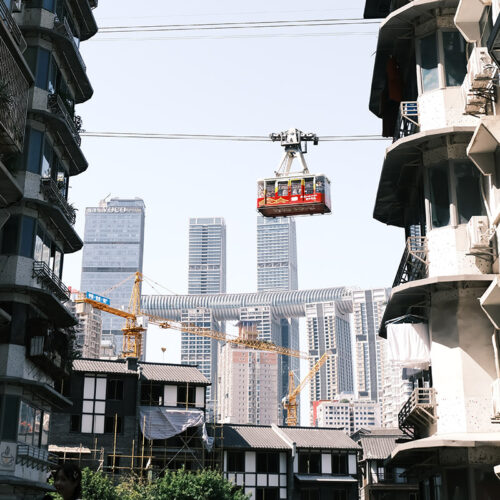
The surviving structures illustrate an early solution to vertical transport between the riverbank and the upper city, connecting Chongqing’s historic stone steps with its later cableways, escalators, bridges, and rail systems.
Stop 7|Riverside Return and Modern Skyline
Follow the riverside route back towards Raffles City Chongqing.
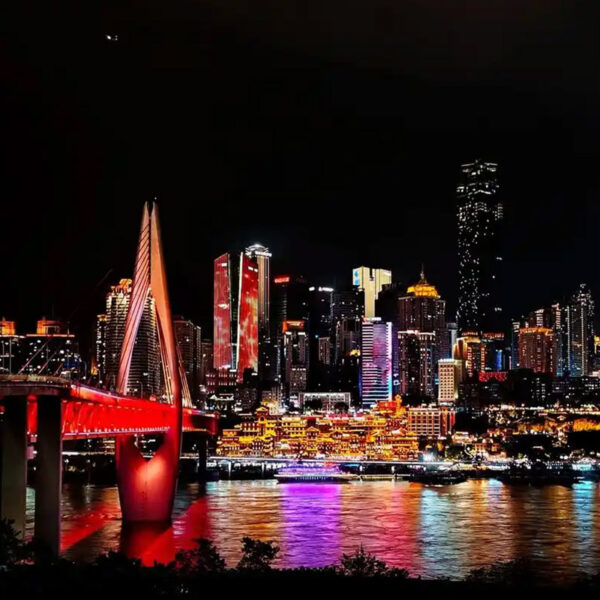
The guide will connect the six themes introduced during the walk and explain how Chongqing’s rivers, wartime experience, commercial activity, migration, old-city structure, and mountain terrain shaped the city seen today.
The walk concludes near Raffles City Chongqing.
IV. Inclusions
Meeting Assistance: Meeting service at Ascott Raffles City Chongqing
Tour Guide: Professional English-speaking or Chinese-speaking local guide according to the confirmed booking
Guided Experience: Approximately 90 minutes of guided walking and historical interpretation
Group Size: Maximum of 16 guests
Route Support: Regular explanation stops and a walking pace adjusted to the general comfort of the group
Note: The route covers approximately 2.8 kilometres and includes old stone steps and uneven surfaces. Huguang Guild Hall is viewed from the exterior unless interior admission is arranged separately. The Wanglongmen Cableway remains are an optional stop and may be omitted according to timing, access conditions, or guest mobility. Traffic, construction, public events, and temporary restrictions may require minor route adjustments.